
The first few weeks with a newborn are not magical. They are messy, loud, and exhausting. According to the CDC, newborns feed 8–12 times a day, sleep in short bursts, and have unpredictable routines. That’s a lot to remember on very little sleep. This is where an All-in-One Newborn Baby Tracker With Reminders becomes less of an “extra app” and more of a survival tool. Not fancy. Just practical.
What Is an All-in-One Newborn Baby Tracker With Reminders?
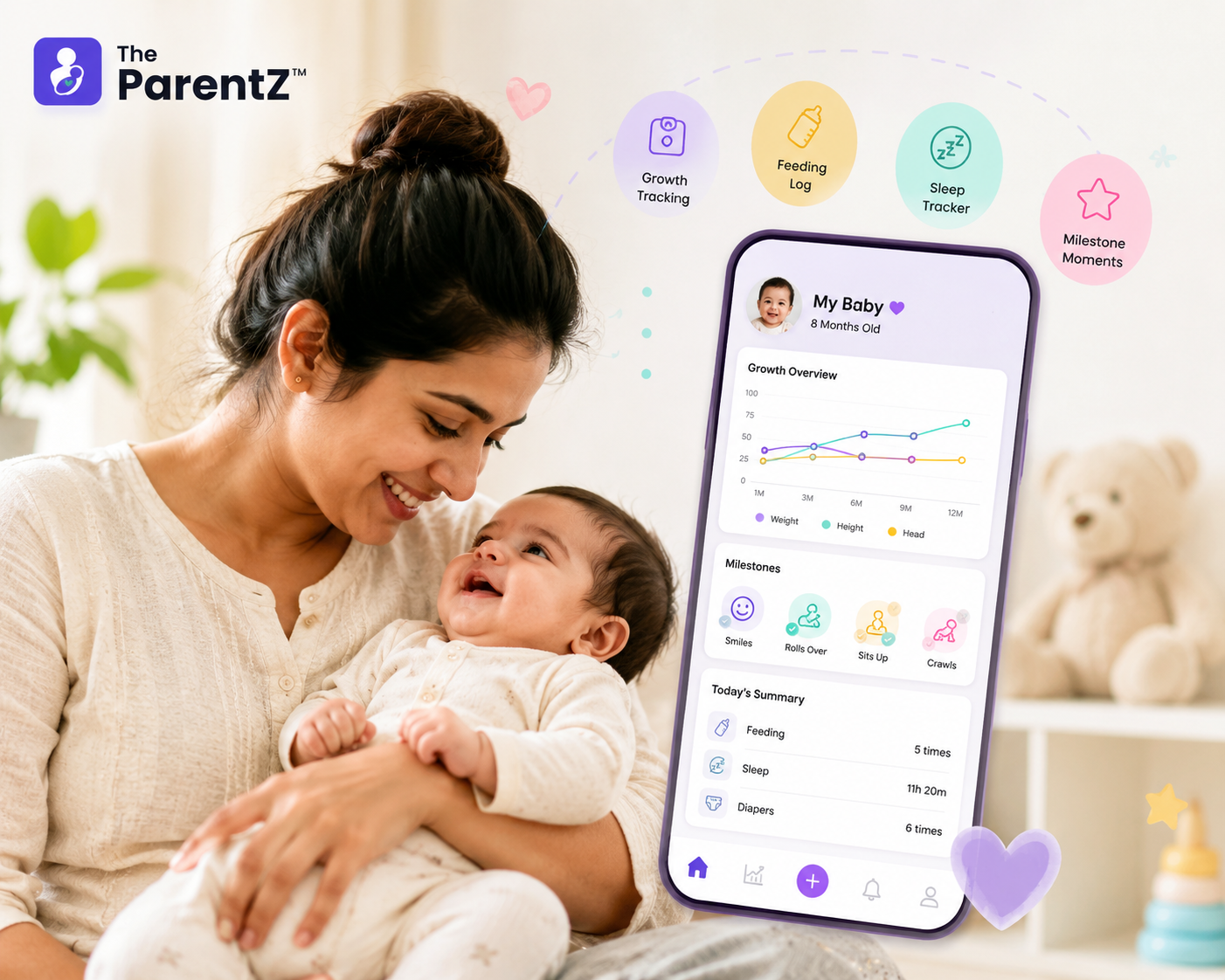
Simply put, it’s one place to log everything your newborn does in a day.
Feeds.
Sleep.
Diapers.
Growth.
Vaccines.
Milestones.
Instead of guessing or writing notes on paper (that you will lose), the app keeps track and reminds you before things go wrong, like a missed feed or an overdue nap.
Think of it like Google Calendar, but for your baby.
Why New Parents Struggle So Much in the First 3 Months
Here’s the hard truth.
Newborn care isn’t difficult because it’s complex. It’s difficult because it’s constant.
What usually overwhelms parents:
Forgetting when the baby was last fed
Losing track of sleep times
Missing diaper changes during busy hours
Confusion during doctor visits
In Indian homes, this gets worse. Grandparents give advice. Everyone has an opinion. Routines change daily. Tracking becomes chaos.
How an All-in-One Tracker Actually Helps
An All-in-One Newborn Baby Tracker With Reminders does one important thing well.
It removes mental load.
You don’t rely on memory.
You rely on data.
And when your brain is fried at 3 a.m., that matters more than people admit.
Feeding Confusion Is the Biggest Pain Point
Feeding is where most parents panic.
Was it 2 hours ago or 3?
Did the baby finish the feed?
Was it breastmilk or formula?
Tracking feeds helps spot patterns early. It also connects directly to the Benefits of Tracking Your Baby’s Food Intake, especially when doctors ask questions you can’t answer from memory.
This usually works well:
Logging feeds immediately
Watching daily totals instead of single feeds
Using reminders instead of alarms
What often fails:
Tracking for weeks without looking at patterns
Stressing over exact minutes
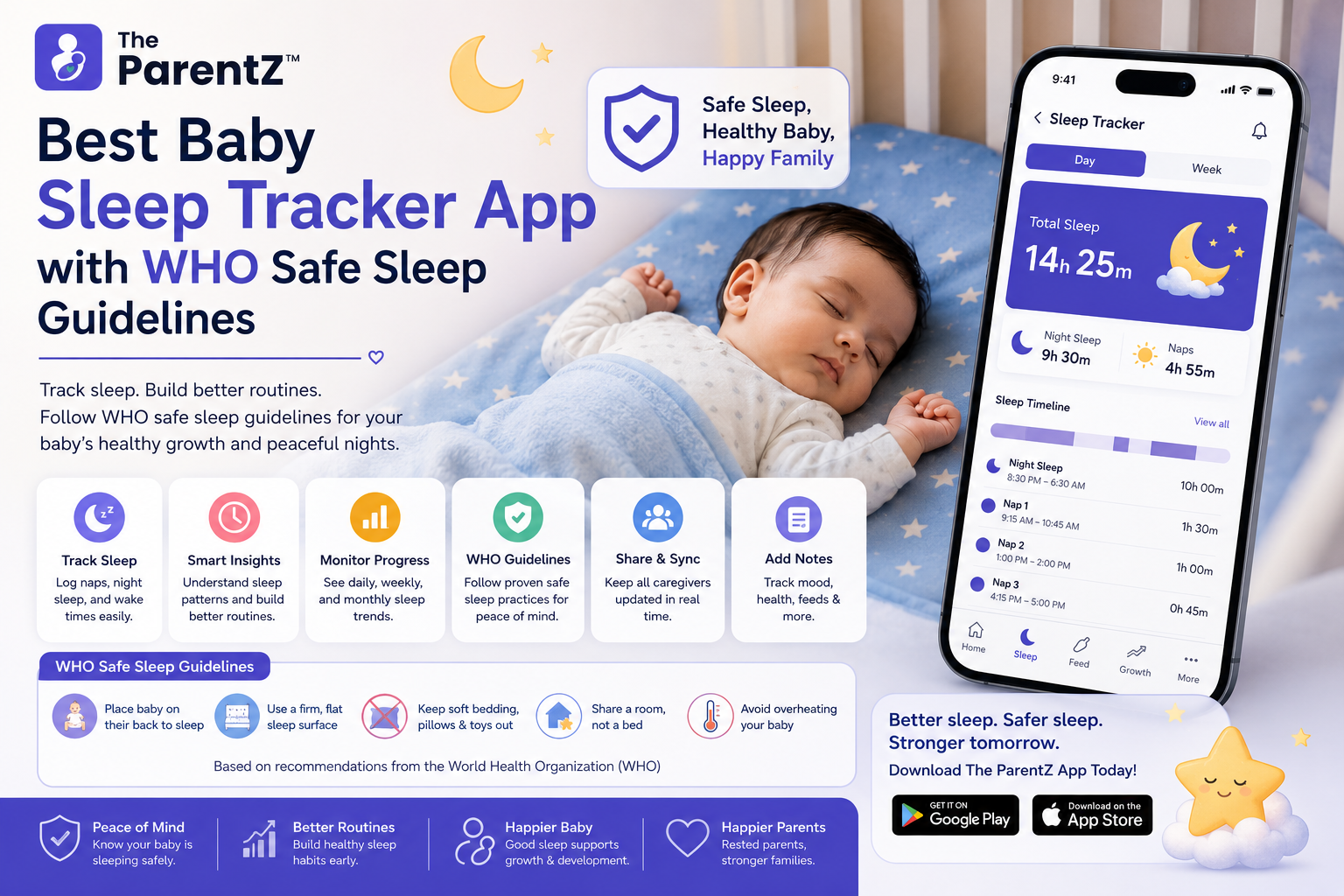
Sleep Tracking: Not for Perfection, but for Clarity
Newborn sleep is short and broken. That’s normal.
What’s not normal is guessing.
A tracker shows:
Total sleep in 24 hours
Longest stretch of rest
Patterns forming over days
This helps parents adjust before overtiredness hits.
Sleep reminders don’t force sleep. They nudge you early. That’s the difference.
Diaper Logs Sound Silly (Until They’re Not)
Most parents laugh at diaper tracking. Then the pediatrician asks:
“How many wet diapers yesterday?”
Silence.
Tracking diapers helps:
Monitor hydration
Spot constipation early
Catch feeding issues
In the early weeks, diaper counts matter more than you think.
Vaccination and Health Reminders Are Underrated
In India, immunization schedules are strict and important.
Missed vaccines happen because:
Dates are written somewhere random
Parents assume they’ll remember
Clinics change schedules
An all-in-one tracker sends reminders before the due date. That’s not tech luxury. That’s basic safety.
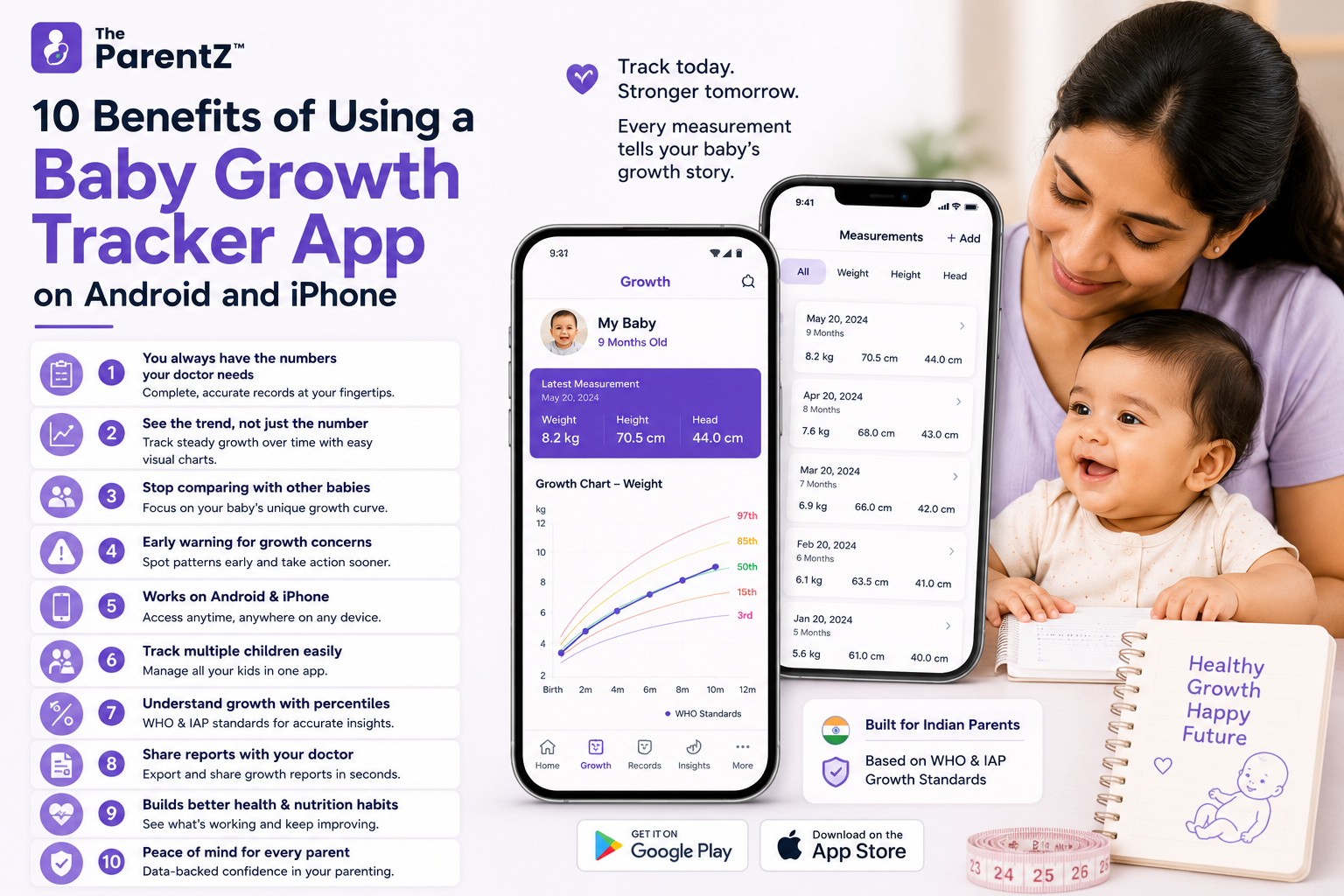
Growth Tracking Without Overthinking Percentiles
Growth charts scare parents.
One slow week and panic begins.
A tracker helps you:
Log weight and height over time
See trends instead of single numbers
Share clean data with doctors
What works:
Monthly tracking
Comparing growth, not babies
What fails:
Daily weighing
Obsessing over percentiles
One App vs Many Apps: A Real Comparison

More apps don’t mean more control. They usually mean more confusion.
How Reminders Actually Change Daily Life
Reminders help most with:
Starting feeds on time
Beginning nap routines earlier
Remembering supplements
Keeping consistency across caregivers
They don’t replace parenting. They support it.
In joint families, reminders help everyone stay on the same page.
Real Example From an Indian Family
Ananya, Bengaluru (first-time mom)
She tracked feeds and sleep for two weeks. Patterns showed late-night cluster feeding and skipped afternoon naps.
She adjusted nap timing by 30 minutes.
Night fussiness reduced.
No sleep training. No crying it out.
Just awareness.
Step-by-Step: How to Use a Newborn Tracker Without Stress
Track everything for 7 days
Turn on reminders
Review patterns once every 2–3 days
Stop tracking what’s stable
Keep what helps
You don’t need perfection. You need trends.
What Usually Works Best (From Experience)
Tracking during the first 3 months
Using reminders lightly
Reviewing data weekly
Sharing logs with doctors
This keeps things simple.
What Often Fails (Be Honest)
Tracking forever
Competing with other parents
Obsessing over exact times
Ignoring your baby’s cues
Apps are tools. Not bosses.
Is an All-in-One Tracker Worth It?
In my opinion? Yes. Especially for new parents.
Not because it makes babies “better.”
But because it makes parents calmer.
And calmer parents usually make better decisions.
Why The Parentz Approach Feels Practical
What stands out with The Parentz is balance.
It doesn’t push perfection.
It focuses on clarity.
It respects real-life parenting in Indian homes.
That matters more than flashy features.
Final Thoughts: This Isn’t About Control
An All-in-One Newborn Baby Tracker With Reminders isn’t about controlling your baby’s life.
It’s about freeing your mind.
So you can stop counting.
Stop guessing.
And start being present.
That’s what new parents actually need.
Key Takeaways
An all-in-one tracker reduces mental load
Reminders prevent small problems from becoming big ones
Feeding, sleep, and diaper logs matter early
Tracking works best when used lightly
Calm parents = better baby care
With the right tool, parenting feels less chaotic and more confident.
That’s where The Parentz quietly helps—without judgment.




Write a comment ...