
Parenting today feels a lot more complicated than it once was. Between demanding jobs, irregular schedules, limited family support, and an overload of parenting advice, managing a child’s daily routine can feel overwhelming. New parents often find themselves struggling to remember feeding intervals, diaper changes, sleep patterns, vaccination dates, and developmental milestones—all while trying to adjust to the emotional and physical challenges of raising a baby.
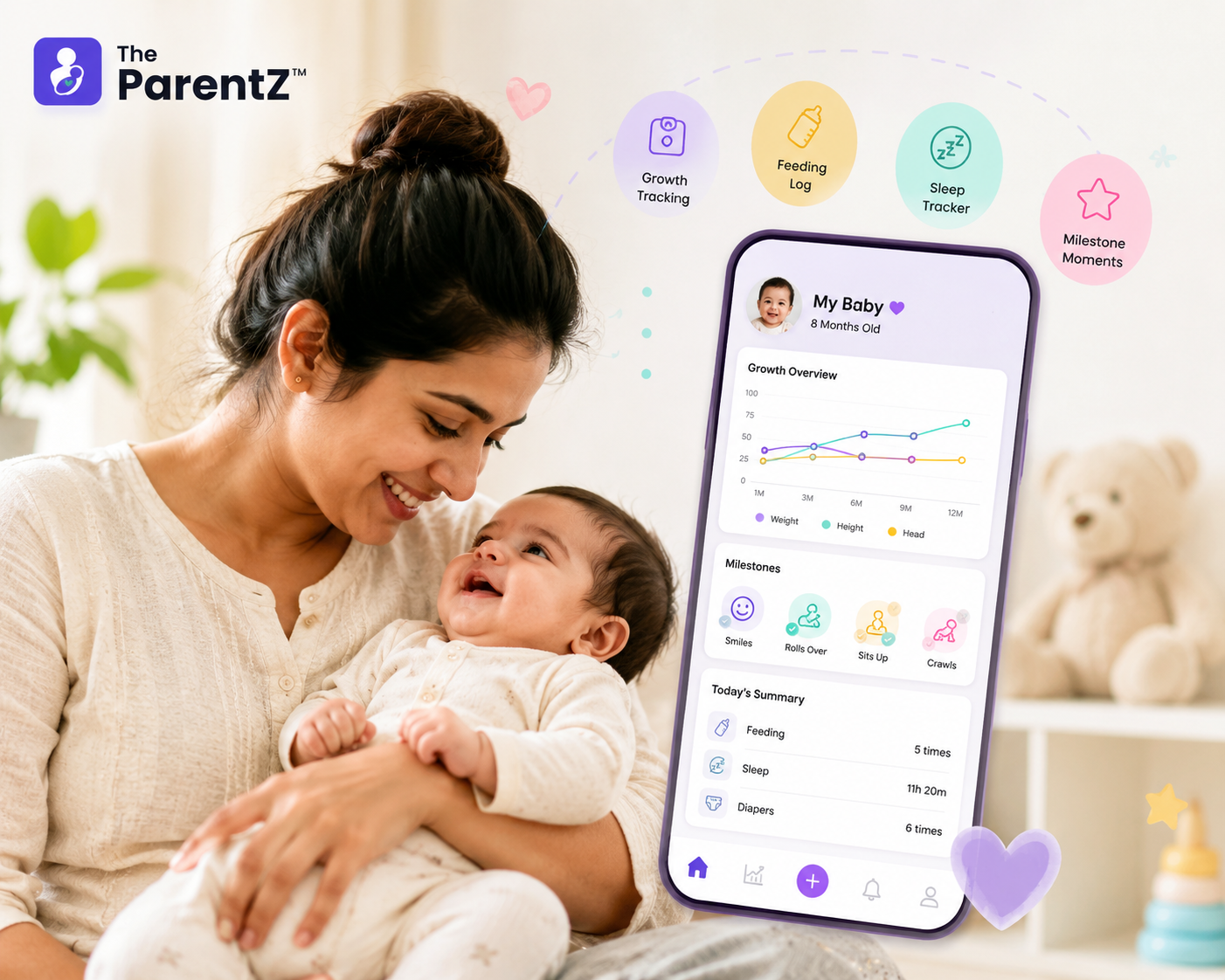
In the middle of all this, tools like a medication reminder app for parents and baby tracking apps have become essential, practical solutions. They help reduce mental load, improve accuracy, and support healthier routines for babies. These apps are no longer “good-to-have”; they have become a reliable part of modern parenting, especially for families juggling work and newborn care.
This blog explores how baby tracking apps contribute to better child health, proper development, and a more organized parenting experience—supported by expert insights, user observations, and practical strategies.
Why Baby Tracking Matters More Than Ever
A baby’s first year brings constant changes that can feel overwhelming. Their feeding frequency, sleep cycle, diaper patterns, and growth measurements change week by week. Missing details or following an inconsistent routine can lead to confusion, health concerns, and unnecessary stress for parents.
Baby tracking apps help solve many of these challenges by:
Recording daily activities
Identifying health or growth patterns early
Providing reminders for essential tasks
Reducing manual guesswork
Helping parents share responsibilities equally
When parents maintain consistent logs, pediatricians can also make more accurate assessments. This leads to better health outcomes and fewer complications for the child.
The Real Ways Baby Tracking Apps Make Caring for Your Child Easier and Healthier
1. Establishing a Healthy Feeding Routine
Feeding is one of the most important activities in a baby’s early life. Tracking helps parents understand:
When the baby was last fed
How much they consumed
Patterns of hunger or fussiness
Issues like underfeeding or overfeeding
Breastfeeding mothers especially benefit from logs that record:
Left/right breast
Duration
Time intervals
This helps prevent engorgement, improves milk supply, and ensures babies get the nutrition they need.
2. Understanding Sleep Patterns and Scheduling
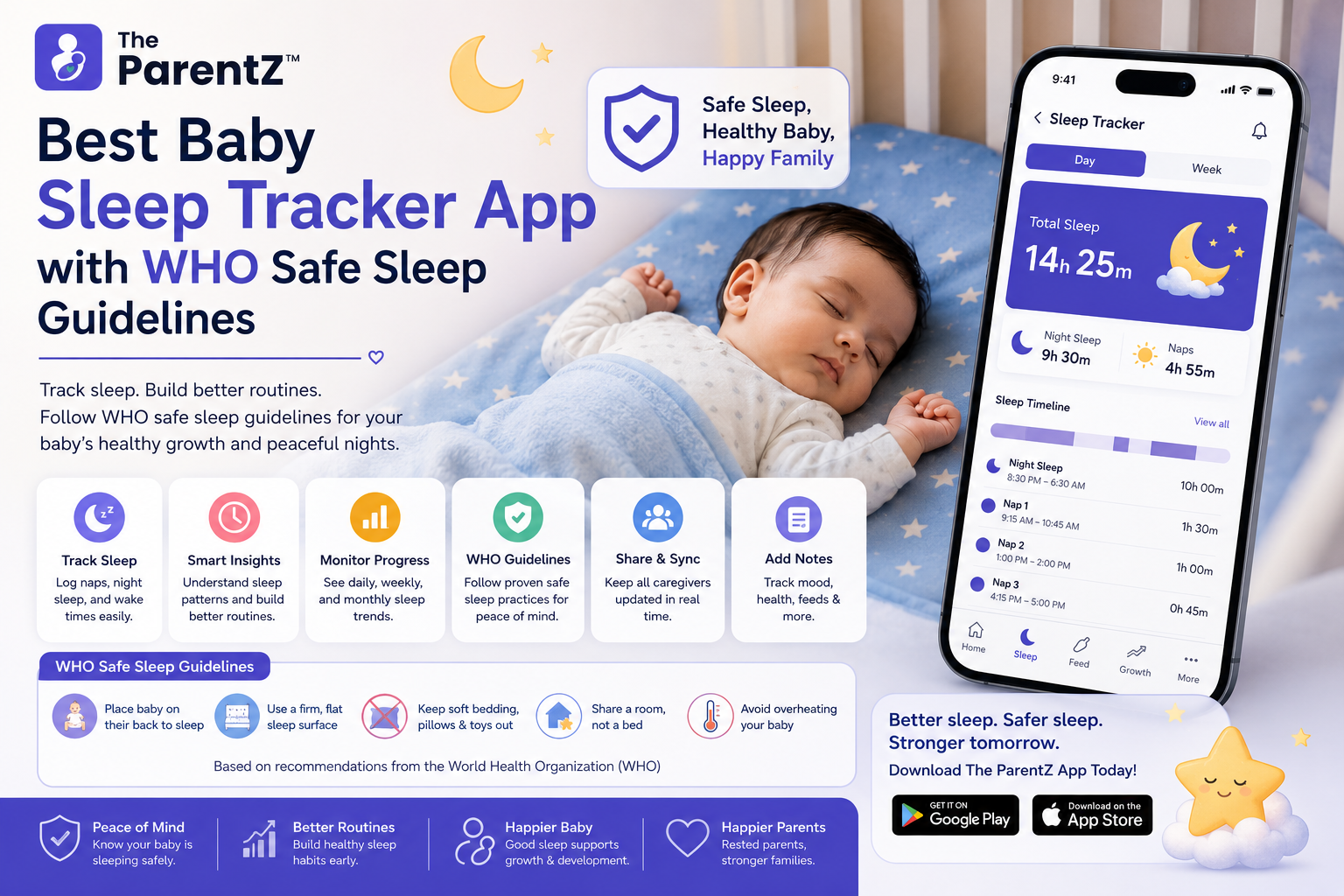
Sleep is crucial for brain development, immune function, and emotional well-being. Baby tracking apps help parents log:
Nap frequency
Sleep duration
Night waking
Irregular sleep cycles
By identifying patterns, parents can adjust bedtime routines, feeding timing, and environmental factors like noise or light. Good sleep hygiene early on supports healthier development in later years.
3. Monitoring Diaper Changes for Health Indicators
A baby’s urine and stool frequency can indicate hydration, digestion, and overall health. Tracking diaper changes helps parents notice:
Signs of dehydration
Possible infections
Digestive issues
Allergies or reactions to food
These early indicators can help prevent complications and support timely medical intervention.
4. Growth Tracking & Milestone Monitoring
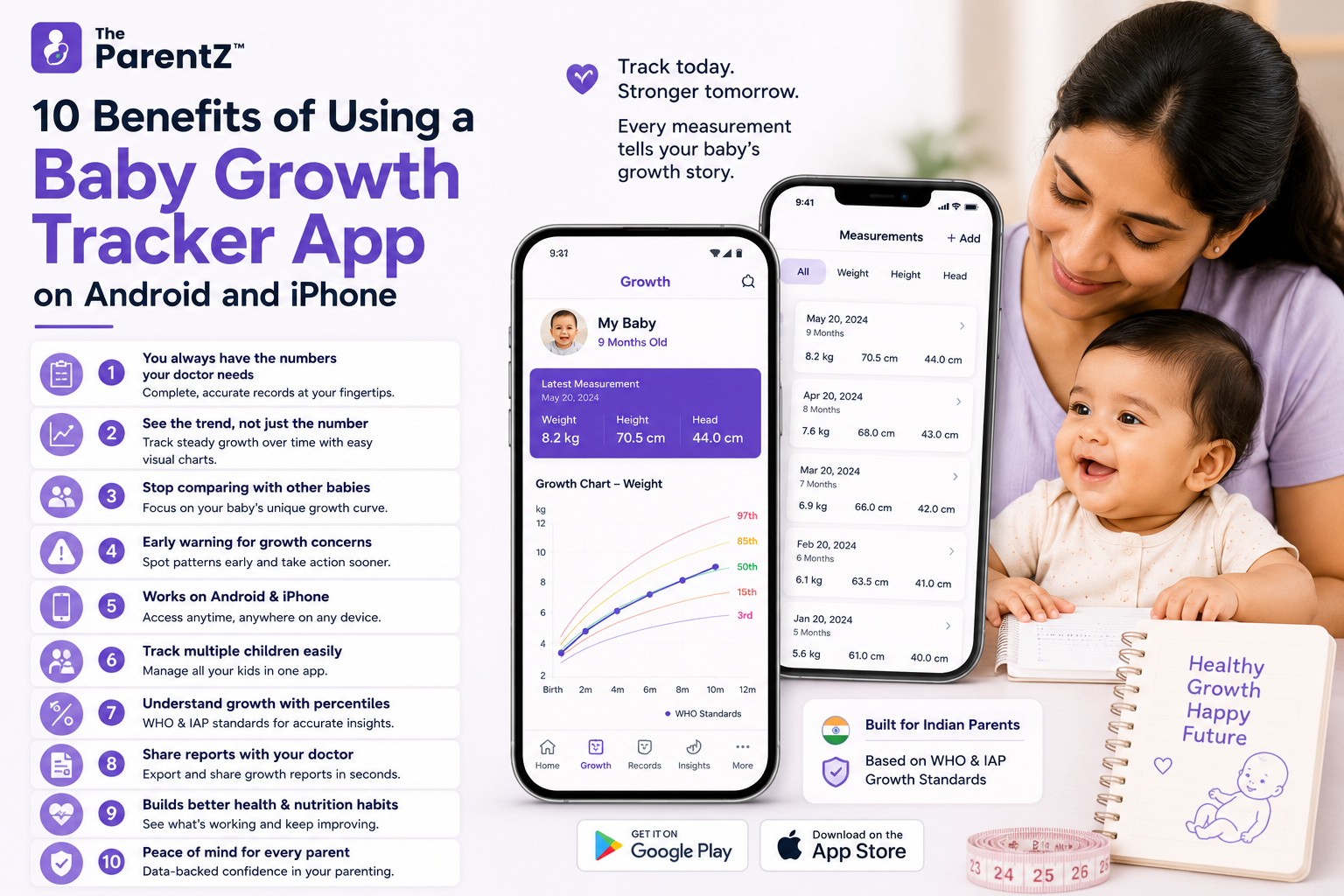
Growth charts and milestone checklists are essential tools in pediatric healthcare. Baby tracking apps allow parents to log:
Weight
Height
Head circumference
First smile
First steps
Speech development
By comparing the data with WHO or pediatric standards, parents can identify whether growth is on track or if early support is needed.
5. Vaccination & Medication Reminders
Vaccinations are one of the most frequently missed tasks due to busy schedules. Apps with reminders help parents stay on top of:
Routine vaccinations
Vitamin supplements
Follow-up doses
Medication schedules during illness
This is especially helpful for families with multiple responsibilities or working parents who struggle to track dates manually.
Real Case Study: How Tracking Helped Identify a Health Concern Early
Case Study: Aarav & His Parents, Pune
Aarav was born healthy and active, but at around two months, his parents noticed irregular bowel movements. They were unsure whether this was normal or a cause for concern. Their pediatrician asked them to track diaper changes, feeding patterns, and sleep cycles for at least two weeks.
Using a baby tracking app, they noticed:
Long gaps between feeds
Irregular sleep
Very few wet diapers
Signs of discomfort after feeding
This data helped the pediatrician identify a possible lactose sensitivity. By adjusting the feeding plan and switching to a recommended alternative, Aarav’s digestive issues improved significantly within days.
His parents later shared that without tracking, they would have taken much longer to identify the pattern, potentially delaying proper treatment. The app gave them clarity, reduced guesswork, and ensured their baby received timely care.
6. Improving Coordination Between Parents
In many households, both parents share responsibility for baby care. A baby tracking app helps them stay synchronized without miscommunication.
Apps allow multiple users to view the same log, ensuring:
No duplicated feeds
No missed diaper checks
Accurate sleep tracking
Shared reminders
This reduces stress and creates a more balanced parenting experience.
7. Better Communication With Pediatricians
Doctors often ask new parents:
“How many hours does the baby sleep?”
“How often are they feeding?”
“How many wet diapers per day?”
“Have there been any changes in routine?”
Parents who track data can provide accurate answers, helping doctors diagnose quickly and effectively.
Consistent tracking also helps doctors identify early signs of:
Reflux
Allergies
Feeding issues
Growth delays
Dehydration
Sleep disorders
This results in faster treatment and better outcomes.
8. Reduced Mental Load & Anxiety for Parents
One of the biggest challenges parents face—especially first-time parents—is the constant mental stress of trying to “remember everything.”
Baby tracking apps help by:
Taking over the mental load
Providing structure
Reducing worry
Offering clarity
Building confidence
When parents feel more organized, they can enjoy parenting rather than feeling overwhelmed by it.
Conclusion: Smart Tools Lead to Healthier, Happier Parenting
Baby tracking apps are more than just digital tools—they’re support systems that simplify daily routines, improve accuracy, and help parents stay informed about their child’s health and development. From feeding and sleep to diaper patterns and milestones, these apps create a clear, reliable picture of your baby’s well-being. They also strengthen communication with pediatricians and reduce stress for new parents navigating the early stages of parenthood.
If you want structured guidance, helpful tools, and a more confident parenting experience, The ParentZ offers resources that support every step of your child's growth.
FAQs
1. Are baby tracking apps really necessary for new parents?
Yes. They help reduce guesswork, identify patterns, support pediatric assessments, and make daily routines easier to manage.
2. Can tracking apps improve a baby’s health?
Indirectly, yes. Tracking allows parents to catch early warning signs, follow routines, and maintain better feeding, sleep, and diaper schedules.
3. How accurate are tracking apps for growth and milestones?
Most apps use WHO growth standards and age-appropriate milestone charts, making them reliable for regular monitoring.
4. Do baby tracking apps replace pediatric visits?
No. They complement medical advice by giving parents accurate data to share with doctors during checkups.
5. Can both parents use the same app simultaneously?
Yes. Many apps allow multi-parent access, making coordination much easier.







Write a comment ...