
The first few weeks with a newborn feel like living in a loop. Feed. Burp. Sleep. Cry. Repeat. According to the American Academy of Pediatrics, newborns need feeding every 2–3 hours, day and night. That’s up to 12 feeds in 24 hours. Add diapers, naps, medicines, and doctor visits, and it’s easy to lose track. This is exactly why a baby tracking app for new parents has become a go-to tool for modern families.
This guide breaks down how to actually use a newborn daily routine tracking app, without overthinking it or turning parenting into a spreadsheet.
What Is a Newborn Daily Routine Tracking App?
A newborn daily routine tracking app is a simple digital logbook for your baby’s day.
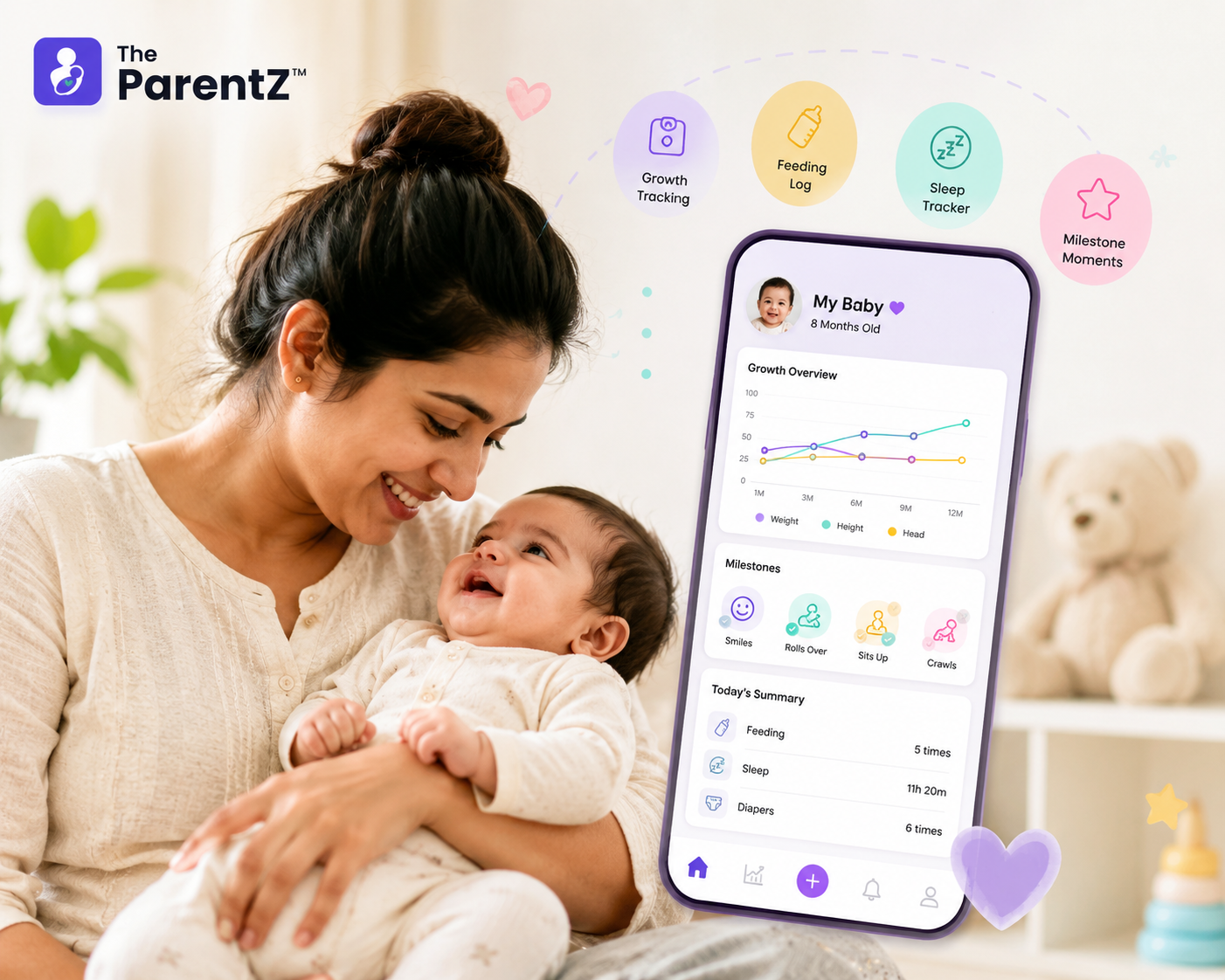
It helps you track:
Feeding times
Sleep patterns
Diaper changes
Growth milestones
Health reminders
Think of it like a memory backup for tired parents. Instead of relying on guesswork, you get clear records you can glance at anytime.
Why New Parents Feel Overwhelmed So Quickly
Here’s the honest part.
Newborn care isn’t hard because parents don’t care. It’s hard because everything overlaps.
Common struggles include:
Forgetting the last feed time
Confusion about sleep windows
Missed medicine doses
Anxiety during doctor visits
In many Indian homes, advice flows from all sides. A tracking app cuts through the noise and gives you one version of the truth: your baby’s actual routine.
How a Baby Tracking App for New Parents Solves This
A baby tracking app doesn’t tell you how to parent. It simply shows you what’s happening.
When patterns are visible:
Decisions become easier
Stress reduces
Confidence grows
It’s especially helpful when paired with understanding the Stages of Child Development, because routines change as babies grow—and tracking helps you adjust without panic.
What Should You Track in a Newborn’s Daily Routine?
You don’t need to track everything forever. Start with the basics.
Feeding
Time
Duration
Type (breast, formula, mixed)
Sleep
Nap start and end
Night sleep stretches
Diapers
Wet
Dirty
Health
Medicines
Vaccines
Doctor notes
This covers 90% of what doctors ask about.
How Feeding Tracking Actually Helps (Not Just Records)
Why does feeding tracking matter so much?
Because feeding issues often show up in patterns, not single moments.
Tracking helps you:
Spot cluster feeding
Identify long gaps
See supply changes
For breastfeeding or formula feeding, data beats memory every time.
What usually works: tracking for the first 6–8 weeks.
What often fails: obsessing over every minute.
Sleep Tracking: Understanding, Not Controlling, Sleep
Newborn sleep is unpredictable. That’s normal.
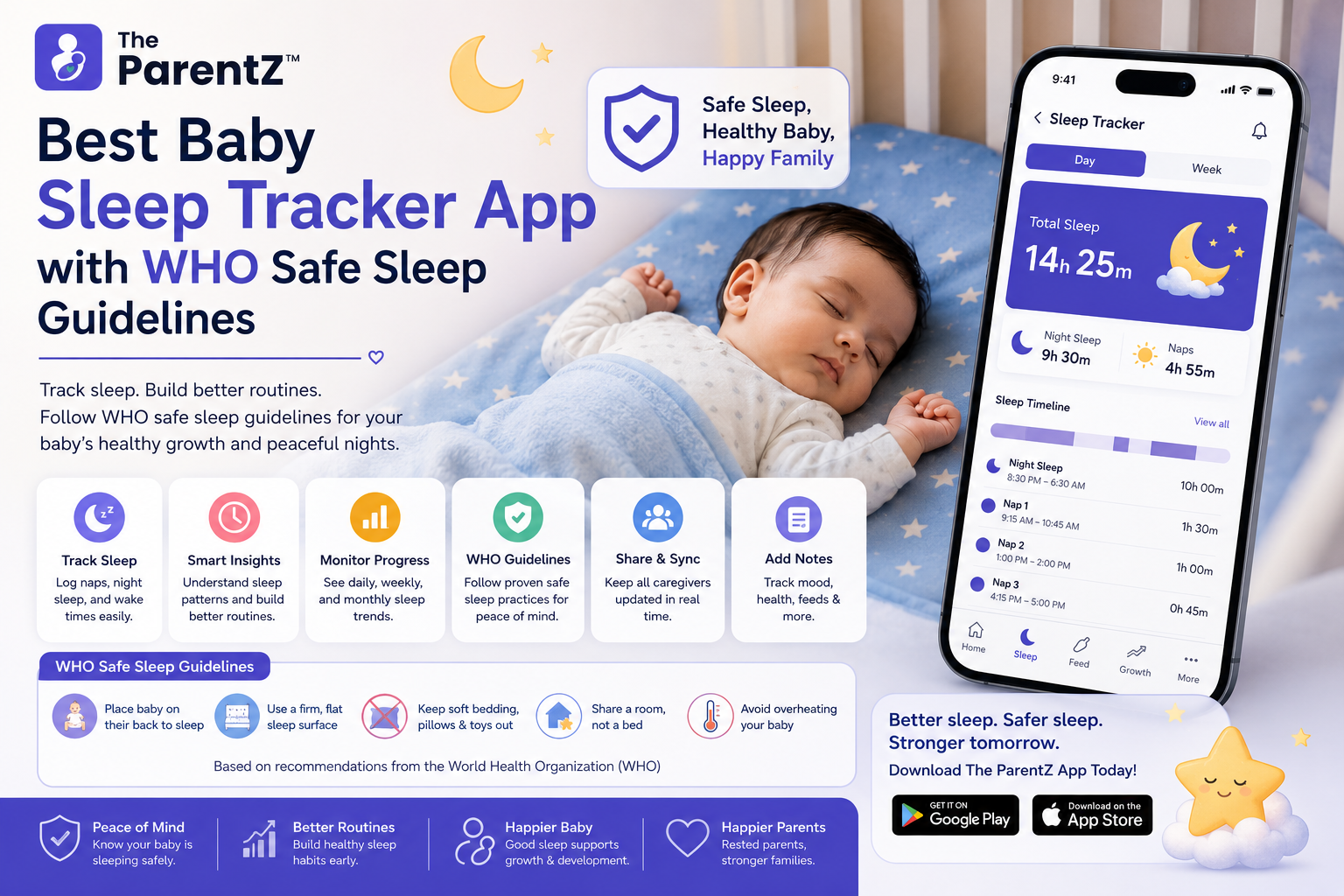
A tracking app doesn’t force sleep schedules. It helps you notice:
Longest sleep stretch
Overtired patterns
Better nap times
Think of it like watching the weather. You can’t control it, but you can prepare.
Diaper Tracking Sounds Small—But It Isn’t
Doctors often ask:
“How many wet diapers today?”
That number matters, especially early on.
Tracking diapers helps:
Monitor hydration
Catch feeding issues early
Reduce unnecessary worry
Most parents stop tracking diapers after a few weeks. That’s okay. Use it when it’s helpful.
Growth and Milestone Tracking Without Comparison Stress
A good app tracks growth trends, not competition.
It lets you:
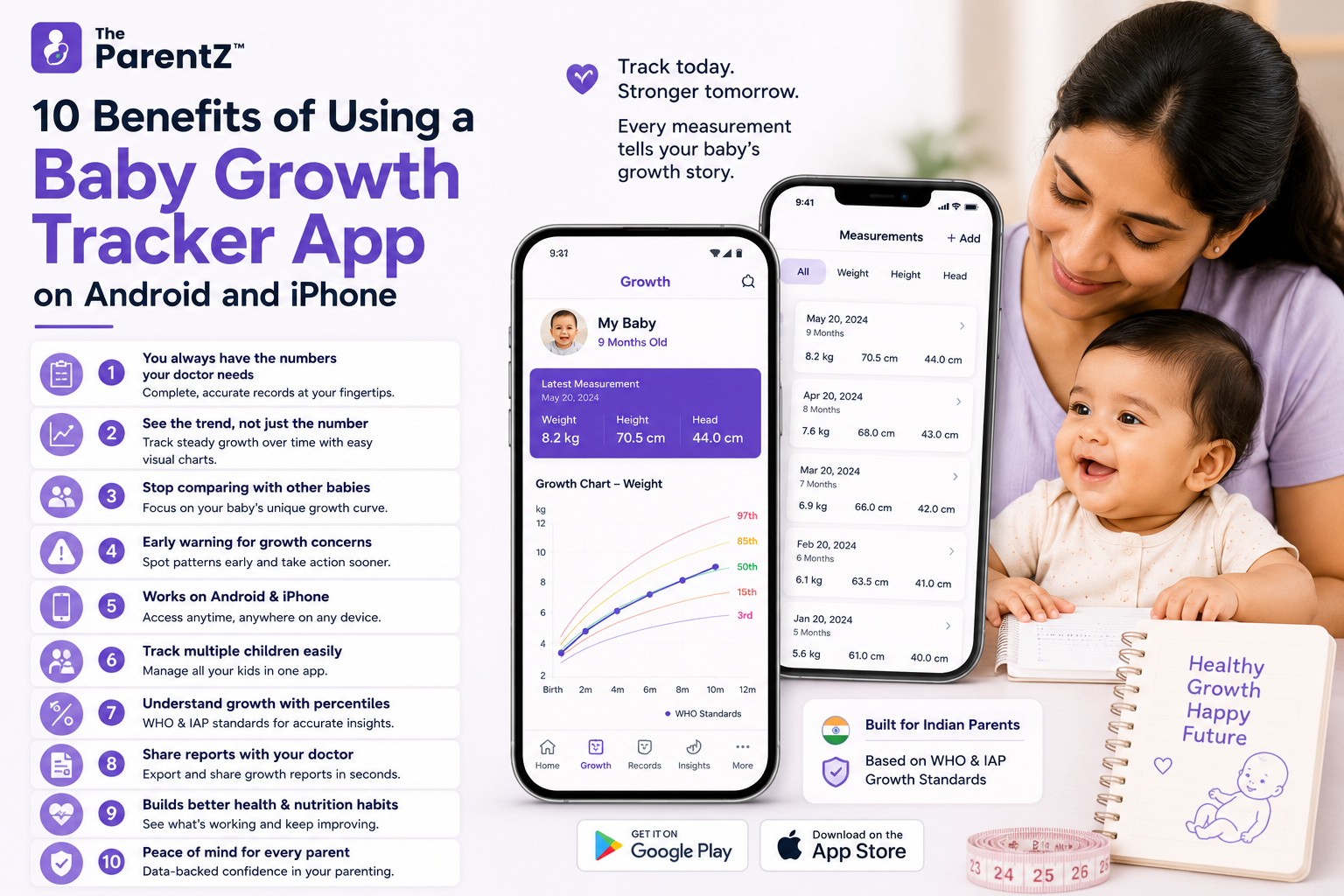
Log weight and height
Track head circumference
Note developmental milestones
This connects directly to understanding your baby’s developmental stage rather than comparing with other babies on WhatsApp groups.
Using Reminders the Right Way
Reminders are the quiet heroes of tracking apps.
They help with:
Feeding intervals
Medicine timing
Vitamin supplements
Vaccination schedules
The key is moderation.
Too many reminders = stress.
Too few = missed tasks.
Set only what you truly need.
Step-by-Step: How to Start Using a Newborn Tracking App
Here’s a simple plan that actually works.
Step 1: Track Everything for 7 Days
Don’t judge the data. Just log it.
Step 2: Review Patterns
Look for:
Frequent feeding times
Sleep clusters
Fussier periods
Step 3: Adjust Gently
Shift naps or feeds by 15–20 minutes if needed.
Step 4: Stop What’s Stable
Once something becomes predictable, stop tracking it.
One App vs Memory vs Notes: A Quick Comparison

More information doesn’t mean less intuition. It supports it.
Real Example From an Indian Family
Rohit & Meera, Delhi
They tracked feeds and sleep for two weeks. The app showed late evening cluster feeding and overtired naps.
They adjusted bedtime slightly earlier.
Result?
Less evening crying
Longer night sleep
Less self-doubt
No strict schedule. Just clarity.
Common Mistakes New Parents Make With Tracking Apps
Let’s be honest.
What often fails:
Tracking for months without reviewing data
Comparing routines with other babies
Treating the app like a rulebook
What usually works:
Using the app as a guide
Focusing on patterns
Letting instincts lead
The app is a helper, not a judge.
How Tracking Supports Better Doctor Visits
Doctor appointments are short.
When you bring clear data:
Conversations are faster
Advice is more accurate
You feel confident asking questions
Most pediatricians appreciate patterns over guesses.
Is a Newborn Tracking App Worth It?
In my opinion? Yes—especially for first-time parents.
Not because it makes parenting perfect.
But because it makes it calmer.
And calm parents usually make better decisions.
Why The Parentz Fits Real Parenting Life
What stands out about The Parentz approach is balance.
It:
Focuses on essentials
Avoids overwhelming features
Respects real family setups
It feels built for everyday parenting, not ideal parenting.
Final Thoughts: Tracking Is About Support, Not Control
A newborn daily routine tracking app doesn’t replace love, instinct, or bonding.
It replaces guesswork.
And when you’re tired, emotional, and learning on the go, that support matters more than people admit.
With the right mindset and the right tool, parenting feels less chaotic and more confident. That’s where The Parentz quietly fits in.
Key Takeaways
Newborn routines are demanding and repetitive
A baby tracking app for new parents reduces mental load
Feeding, sleep, and diaper tracking matter early on
Patterns are more important than perfection
Tracking should support instincts, not override them
Apps work best when used lightly and intentionally







Write a comment ...